Architecture

Local AI should match the need, not become the project.

Applied Method Systems LLC

For many manufacturers, the stronger long-term model is not more subscription software. It is local AI, specialized tools, retrieval, and shared operating support implemented at the level the business needs.

Use-case design

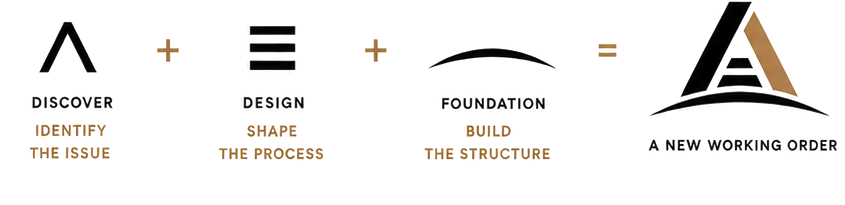
Clarify the use case first.

Define the workflow, the departments involved, the retrieval needs, the governance model, and the business risk before money gets pushed in the wrong direction.

Build and rollout

Stand up what fits the business.

Implement the local AI, specialized tools, connectors, and support layers needed to move from concept to real execution.

Refinement and handoff

Tune it against real use.

Refine prompts, retrieval logic, governance, and roles over time, or help transition stewardship internally when the customer wants that path.

Start with a real use case, not a generic AI plan.

Not every manufacturer needs the same level of AI infrastructure on day one. Some need one specialized application first. Others need department support, retrieval, broader local AI, or shared operating context from the beginning.

The objective is not to force a bigger architecture than the situation requires. The objective is to make sure the capability that gets built fits the workflow, the team, and the long-term operating model.

Shared context starts with retrieval, not with one giant model.

Cross-department support does not come from expecting one model to remember the whole company. It comes from pulling the right sales emails, service notes, quotes, call summaries, and account history into the moment where a decision is being made.

That is why architecture matters: identity matching, data flow, permissions, retrieval, and support all sit underneath the reasoning layer.

When that is handled well, the next conversation can start with the full account picture instead of disconnected fragments.

The answer should come from the right working knowledge.

A useful AI system does not rely only on what the model already knows. In real business use, it often needs to retrieve the right information from approved documents, quotes, service notes, account history, process instructions, or other company sources before it gives an answer.

This is the practical idea behind retrieval-augmented generation, often called RAG. The acronym is less important than the operating purpose: give the system relevant company context so it can support the work without guessing from general knowledge.

Retrieval is not just document search.

Good retrieval depends on source quality, permissions, current information, and workflow fit. The system has to know what it is allowed to see, which information is trusted, and when that context should enter the work.

For AMS, retrieval connects directly to company memory, department support, central coordination, stronger handoffs, and better technical, operational, and equipment purchasing decisions.

Context

Current information

Answers are stronger when approved, current sources can be brought into the moment where the work is happening.

Control

Permissions and boundaries

Not every system, department, or user should see the same information. Architecture has to account for that from the start.

Fit

Workflow before novelty

Retrieval only matters if it supports the process, the handoff, the decision, or the focused app the business actually needs.

The objective is not to make the stack bigger. It is to make the operating model clearer, more controlled, and easier to act on.

Good architecture connects the right sources, matches the right accounts and contacts, respects permissions, and retrieves the right context when a team member needs it. That is what turns scattered records into usable operating support.

For some organizations, that means a lighter support layer with only a few integrations. For others, it means broader retrieval, stronger governance, and a more deliberate local AI footprint. The right answer depends on the business need, not on a generic roadmap.

When done correctly, the result is not just another software layer. It is a better fit between the system, the people, and the work the company is trying to move.